Below, you will find a sample of tables that I have designed/conceived during the past few years. Enjoy!
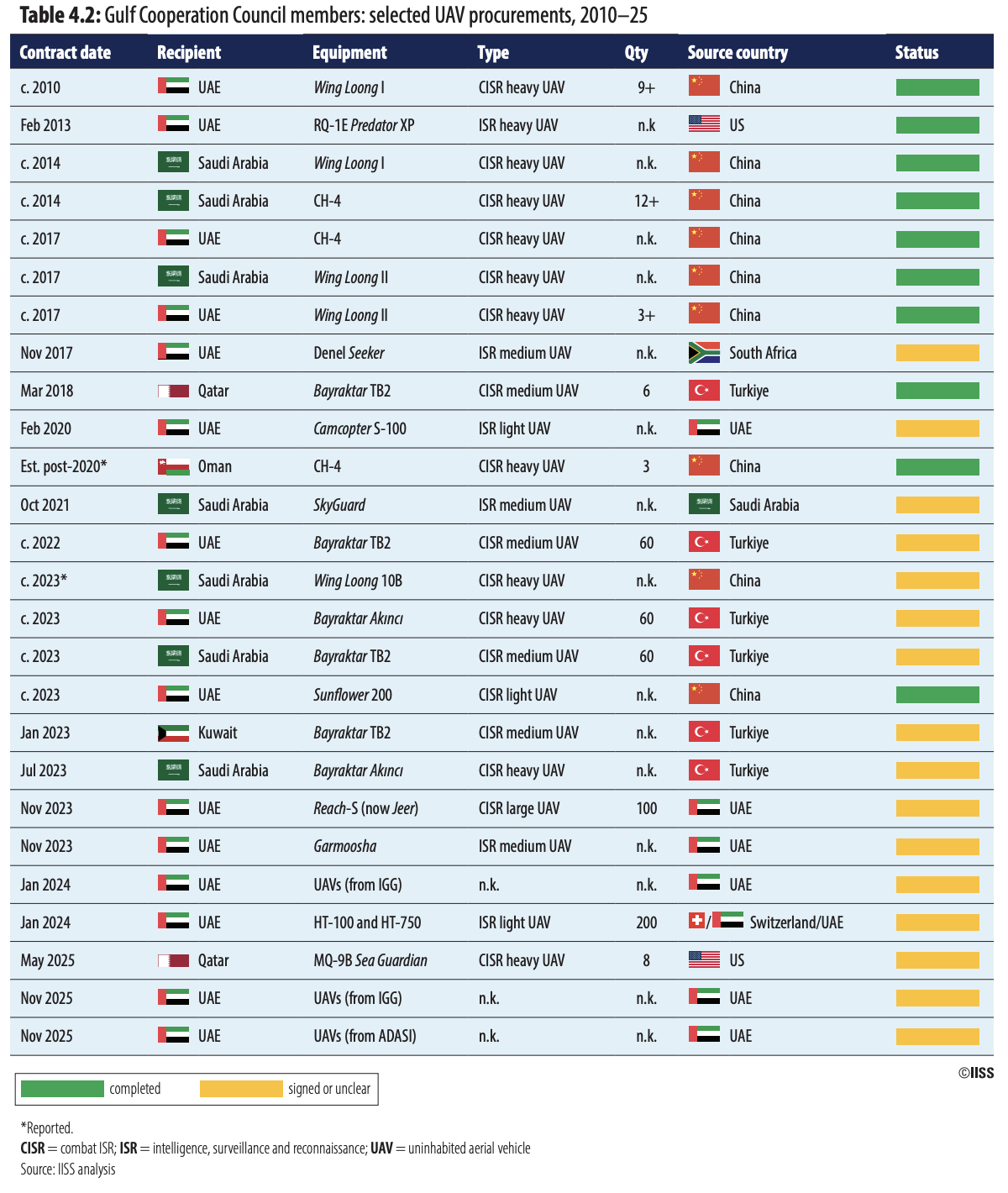
This table is part of a piece I wrote examining the growing demand for UAVs in the Gulf. I examine the shift from China as a main supplier during the 2010s, to Turkey in the early 2020s, to domestic suppliers in the UAE starting around 2023.

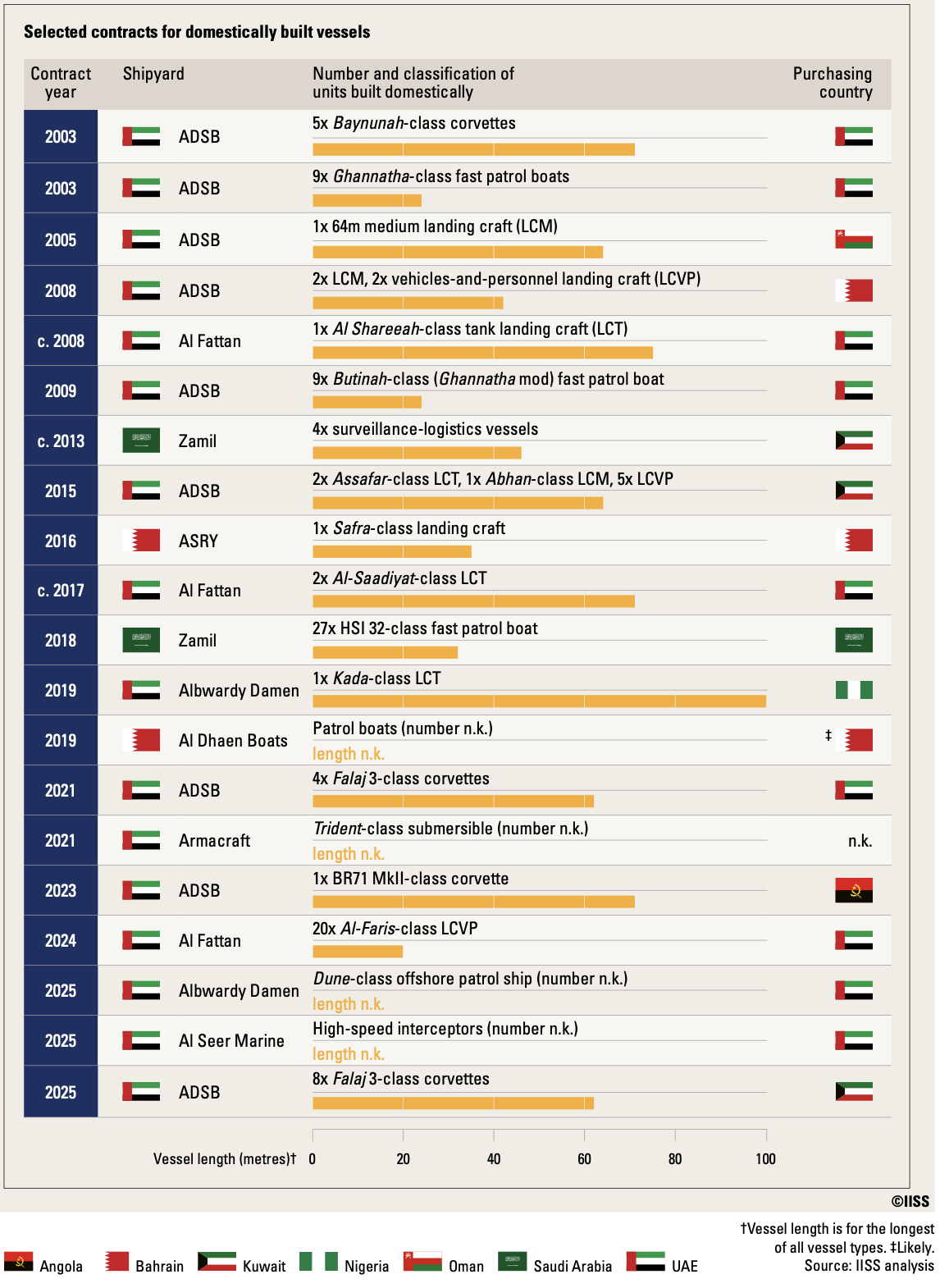
This figure showing selected contracts for domestically built vessels is part of the Middle East chapter in The Military Balance 2026.
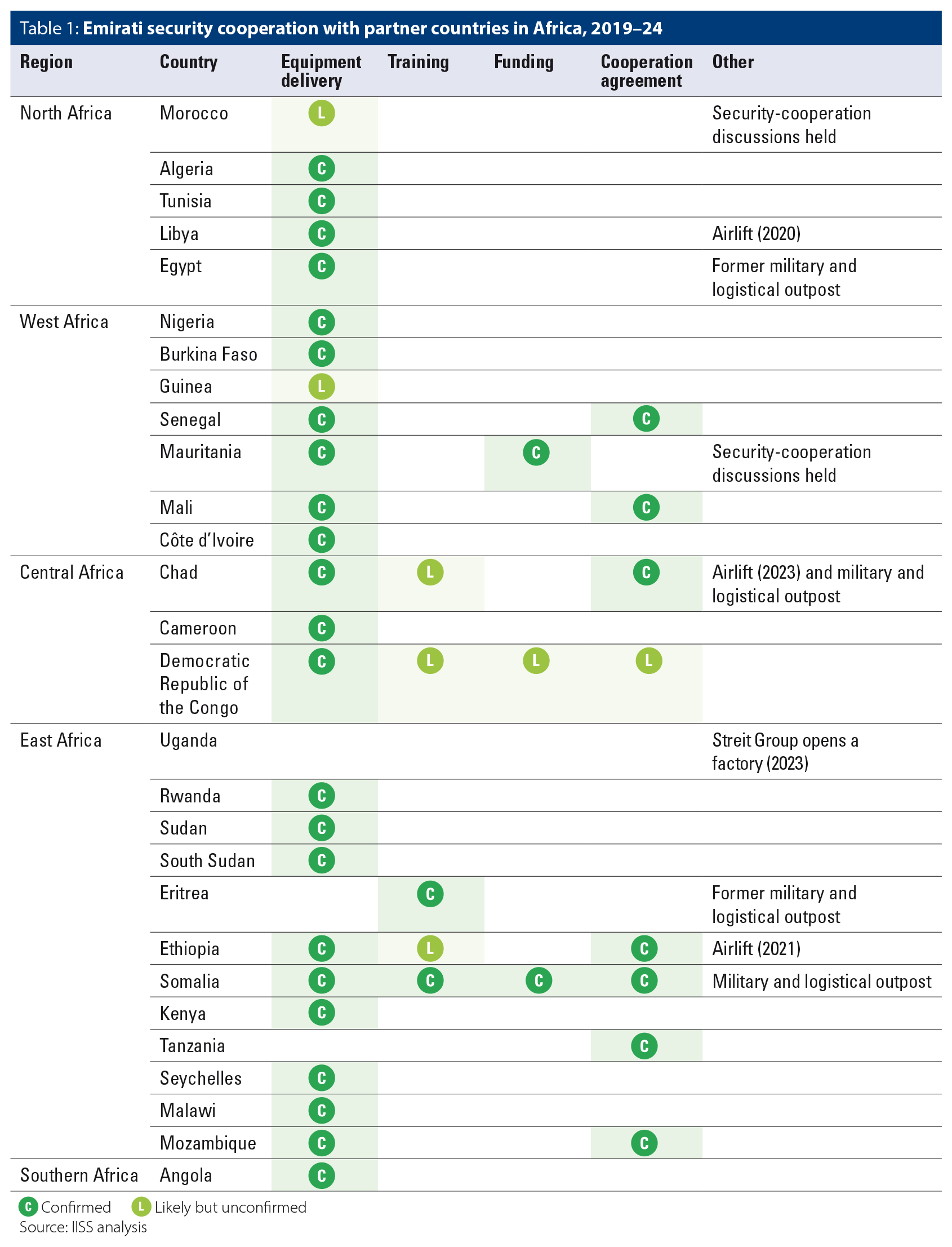
This table is part of a Strategic Comment examining the UAE’s security cooperation with partners in Africa.
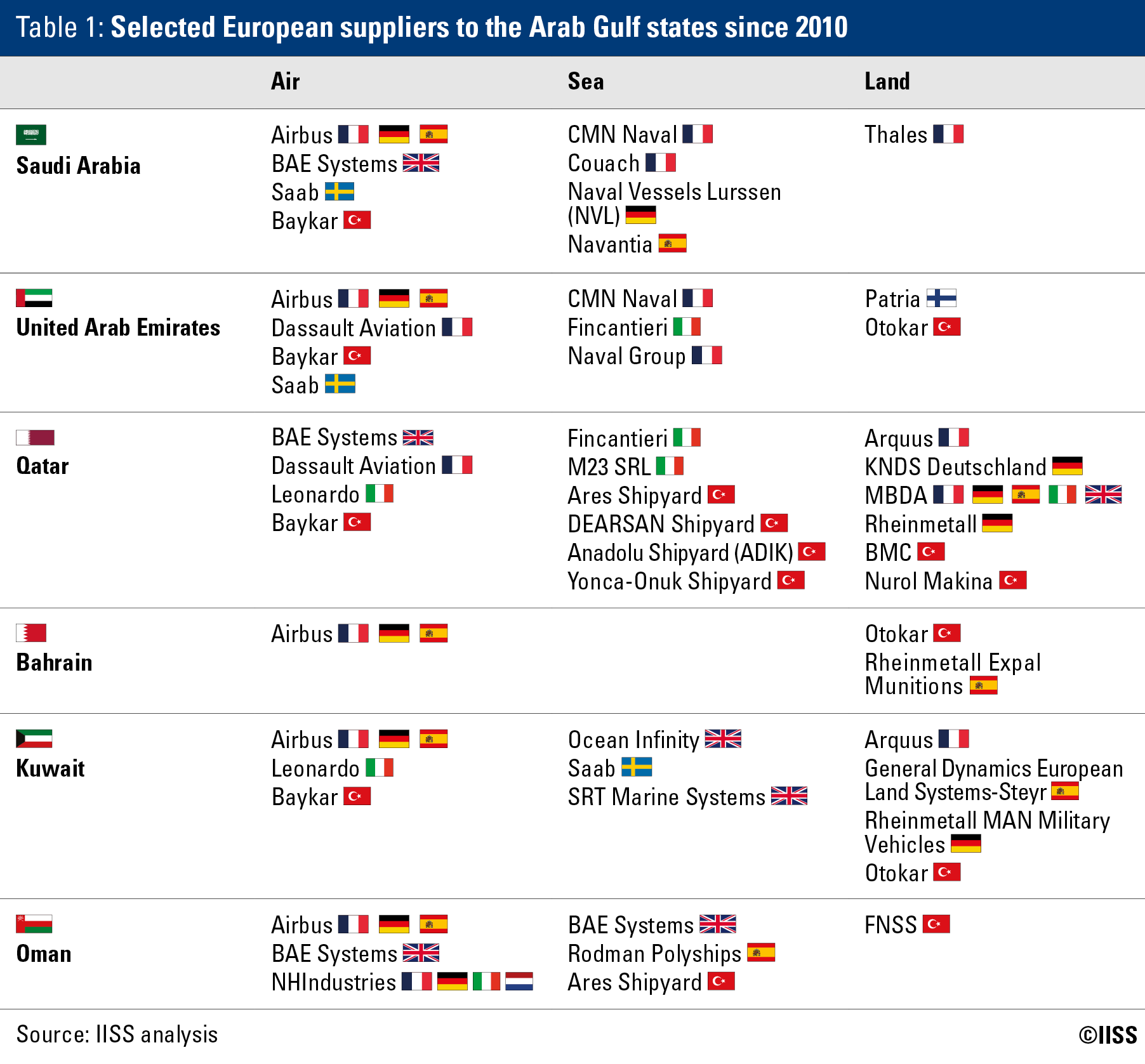
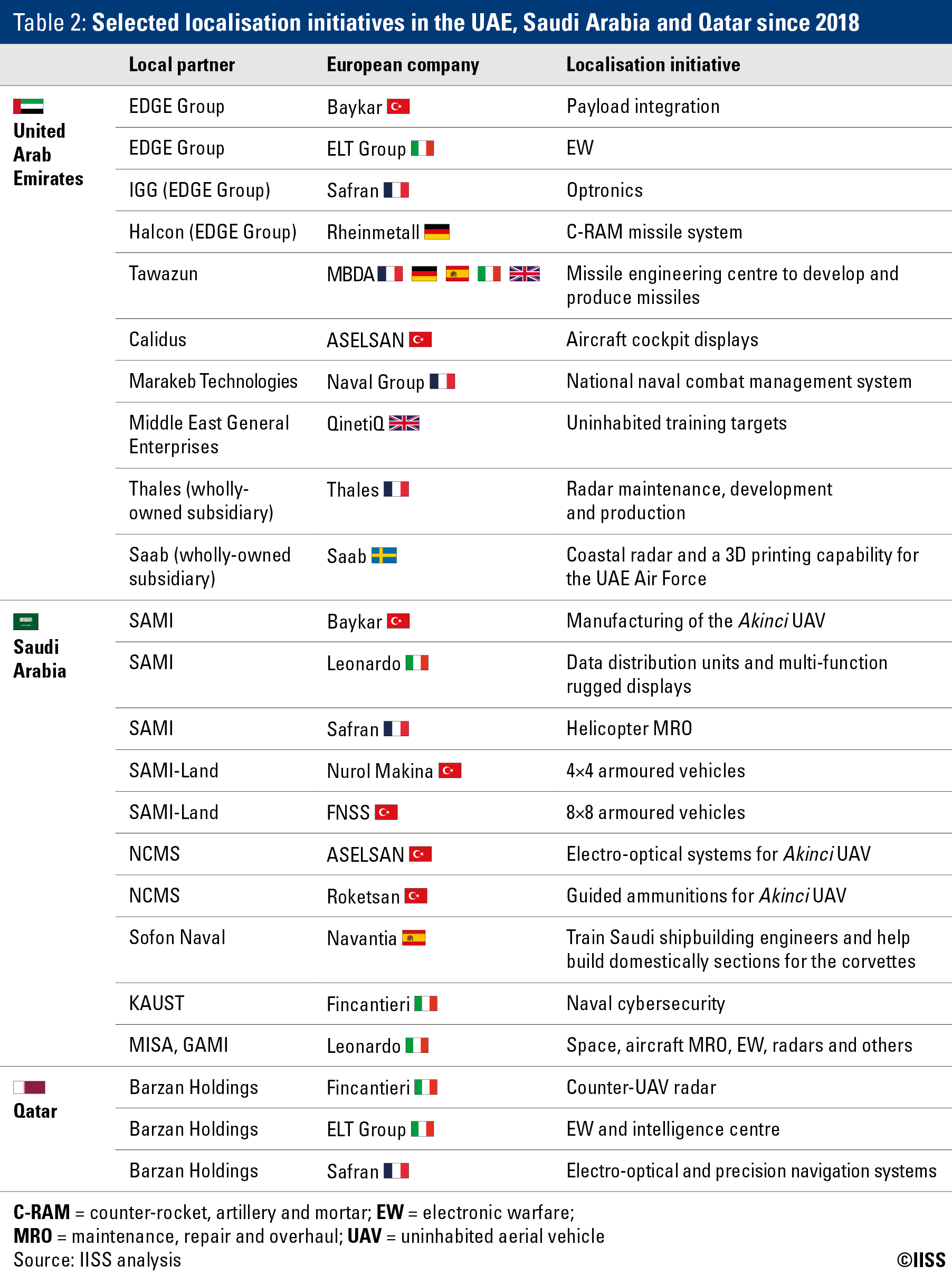
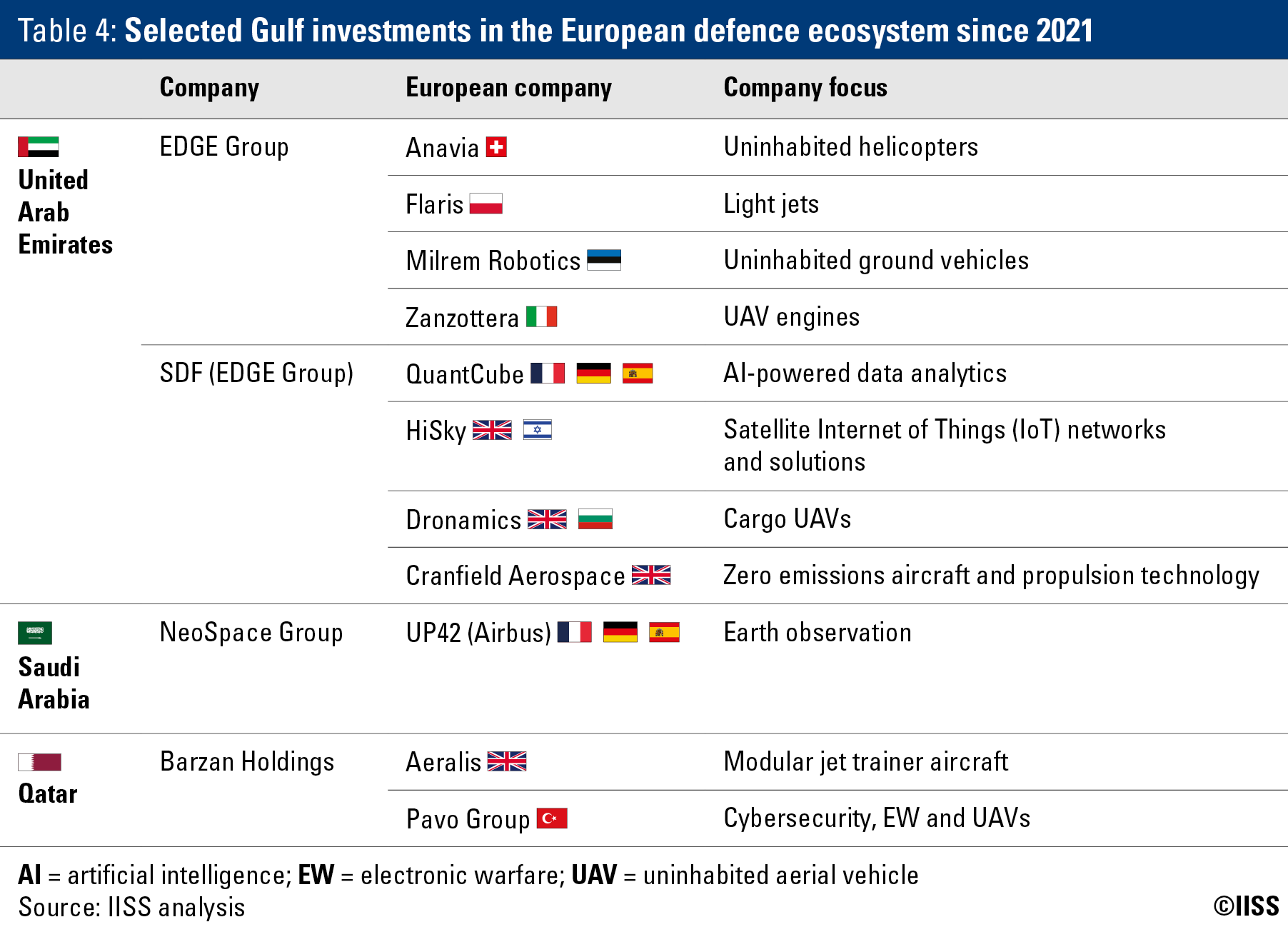
The four tables below are part of a piece I wrote tracing the evolving Europe-GCC defence relationship, with a focus on procurement and defence industrial ties. Table 1 looks at European suppliers, Table 2 at localisation initiatives, Table 3 at joint ventures, and Table 4 at Gulf investments in the European defence ecosystem.

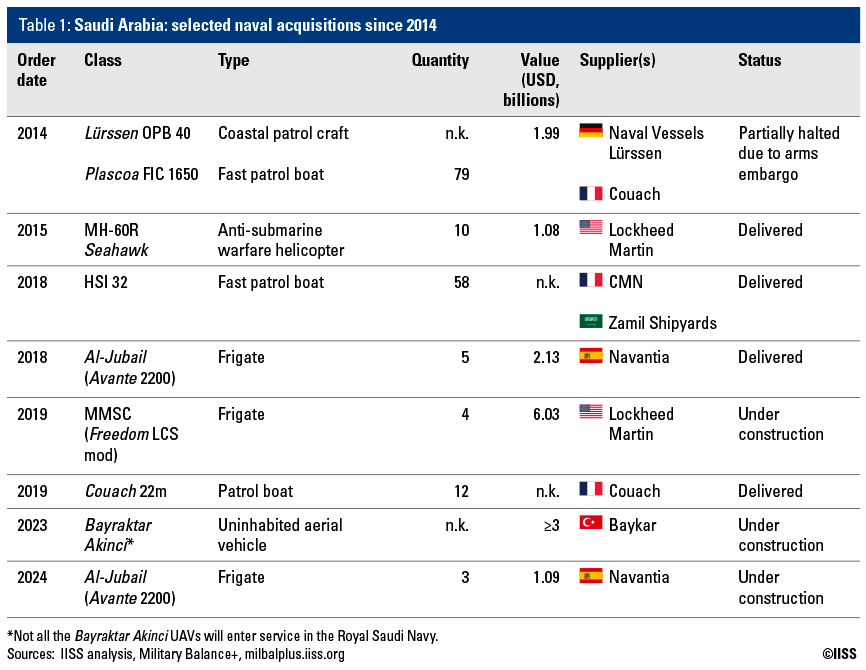
This table is at the heart of a piece I wrote examining Saudi Arabia’s naval transformation. Specifically, I look at the triggers of modernisation, recent and planned naval acquisitions, efforts to develop a domestic naval shipbuilding capability, and persisting challenges (key capabilities remain underfunded, long-term sustainability of the shipbuilding enterprise, personnel retention, and lack of rigorous and regular training, among others).
This table is from a piece I wrote examining the modernisation of GCC navies amidst rising maritime insecurity.

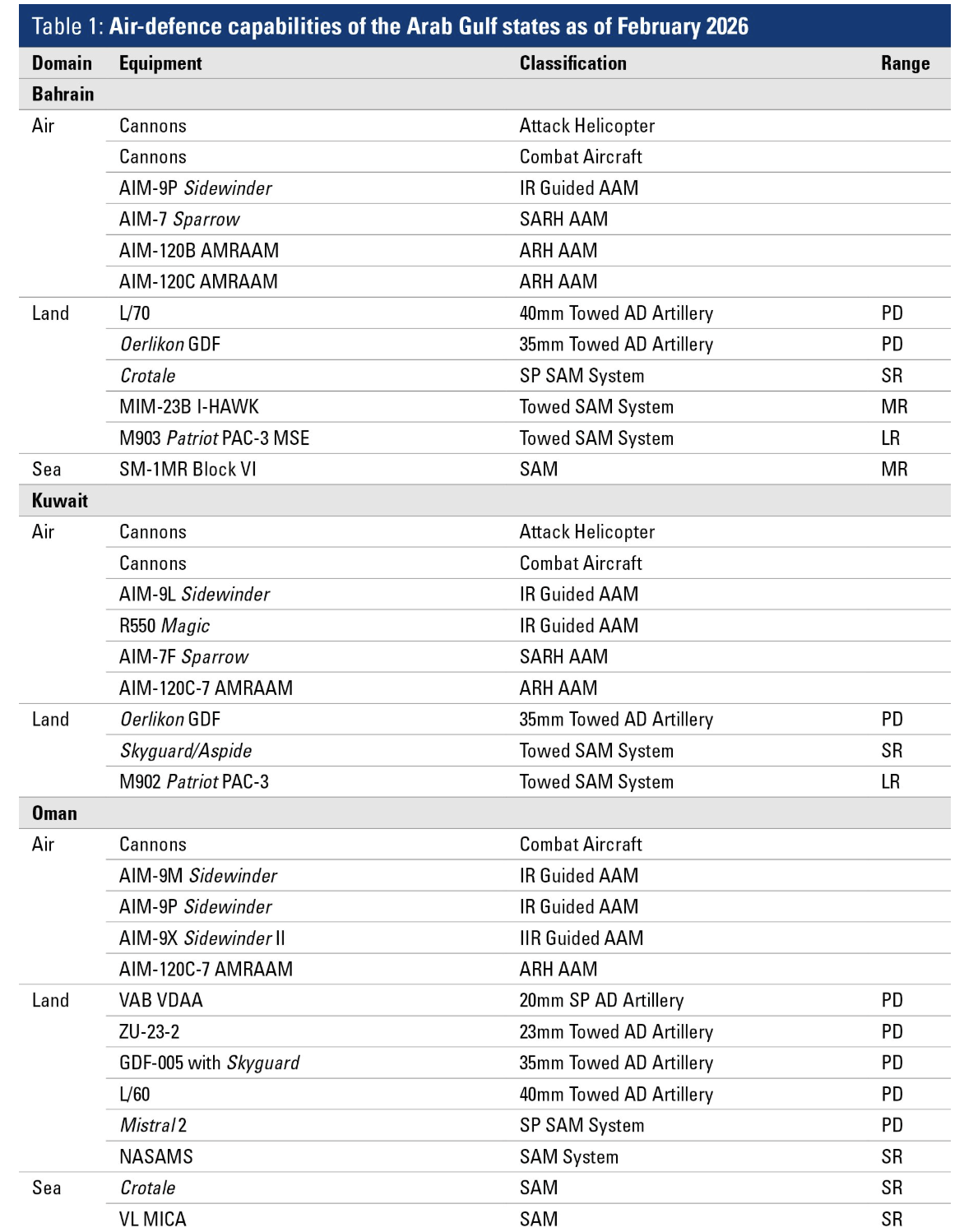
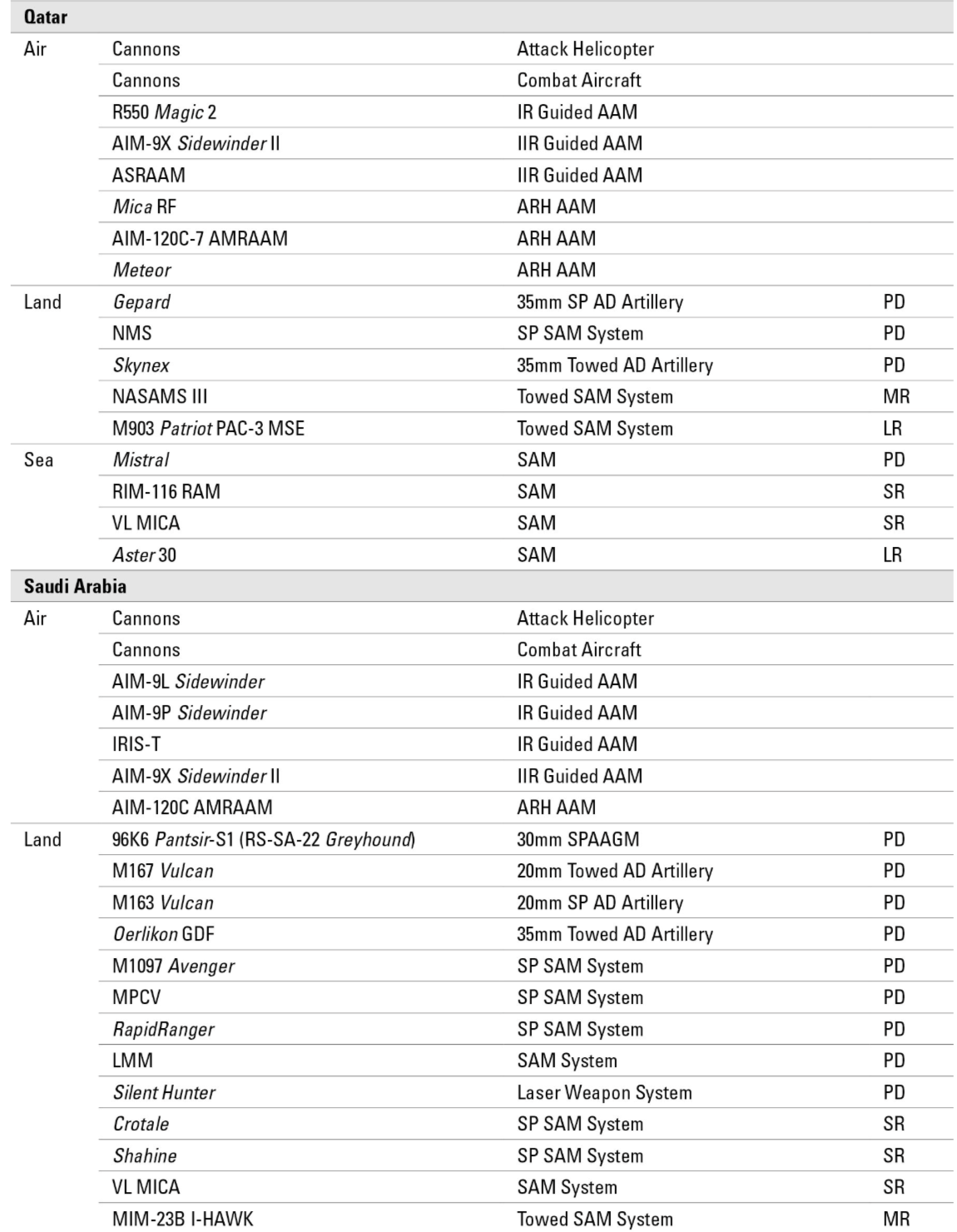
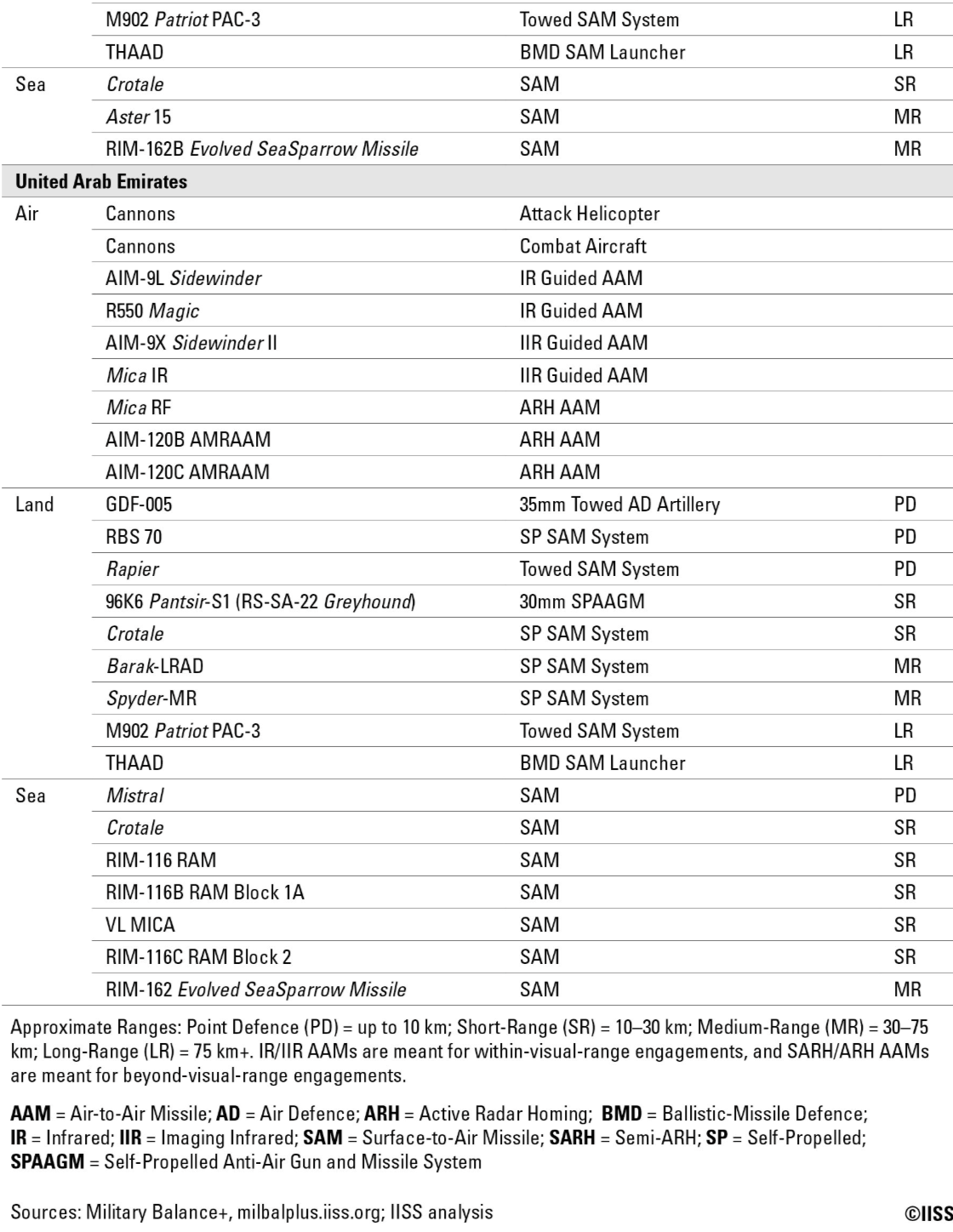
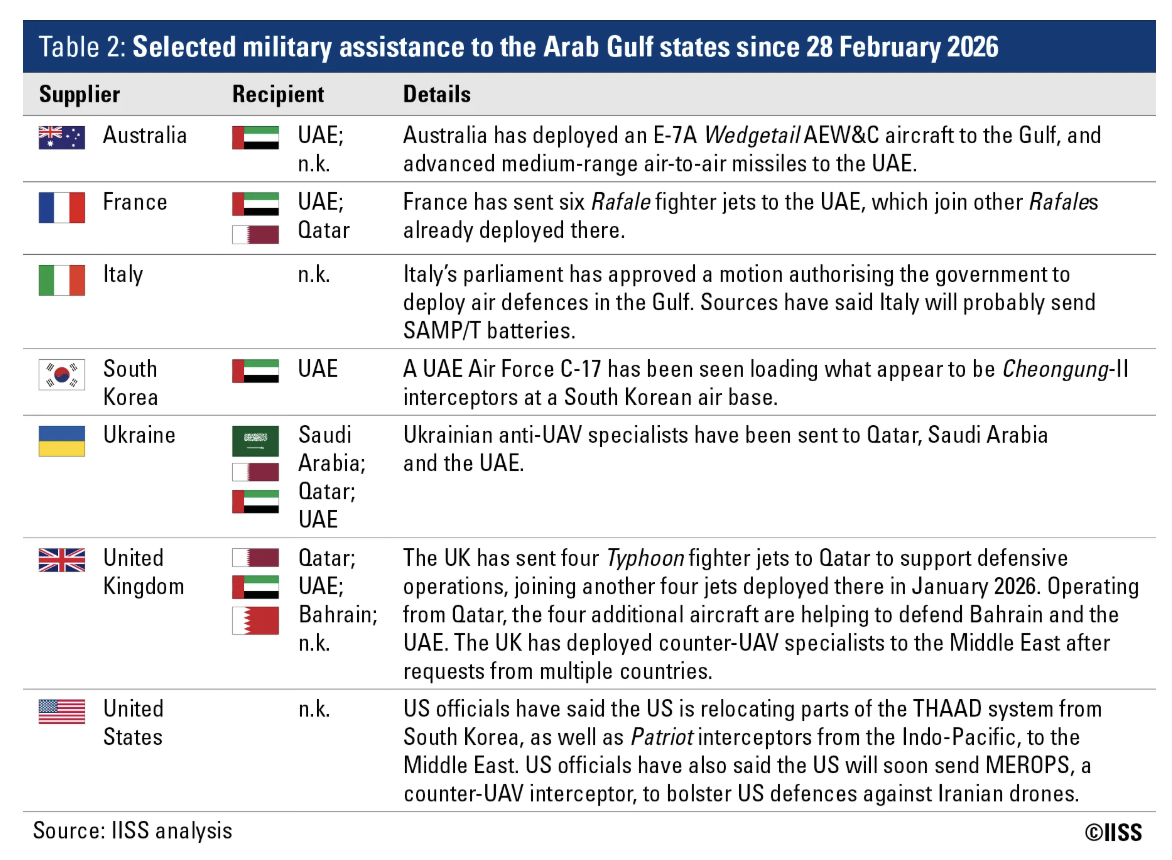
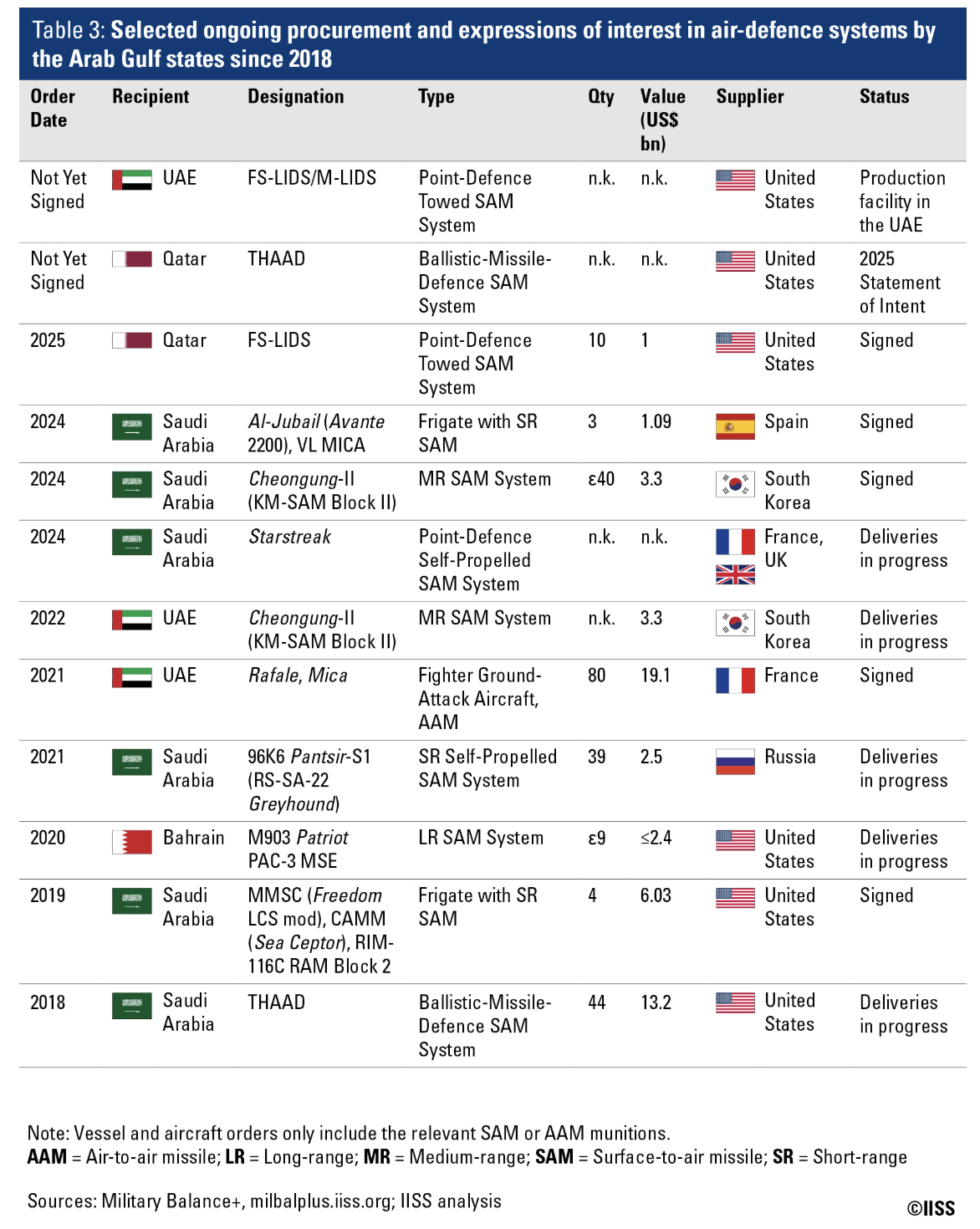
The three tables below are part of a piece I wrote ground-, air- and sea-based air defence options in the arsenal of the Arab Gulf states. Table 1 looks at the air-defence systems in their arsenals, Table 2 at selected military assistance they received during the conflict, and Table 3 at selected ongoing procurement and expressions of interest in air defence systems.
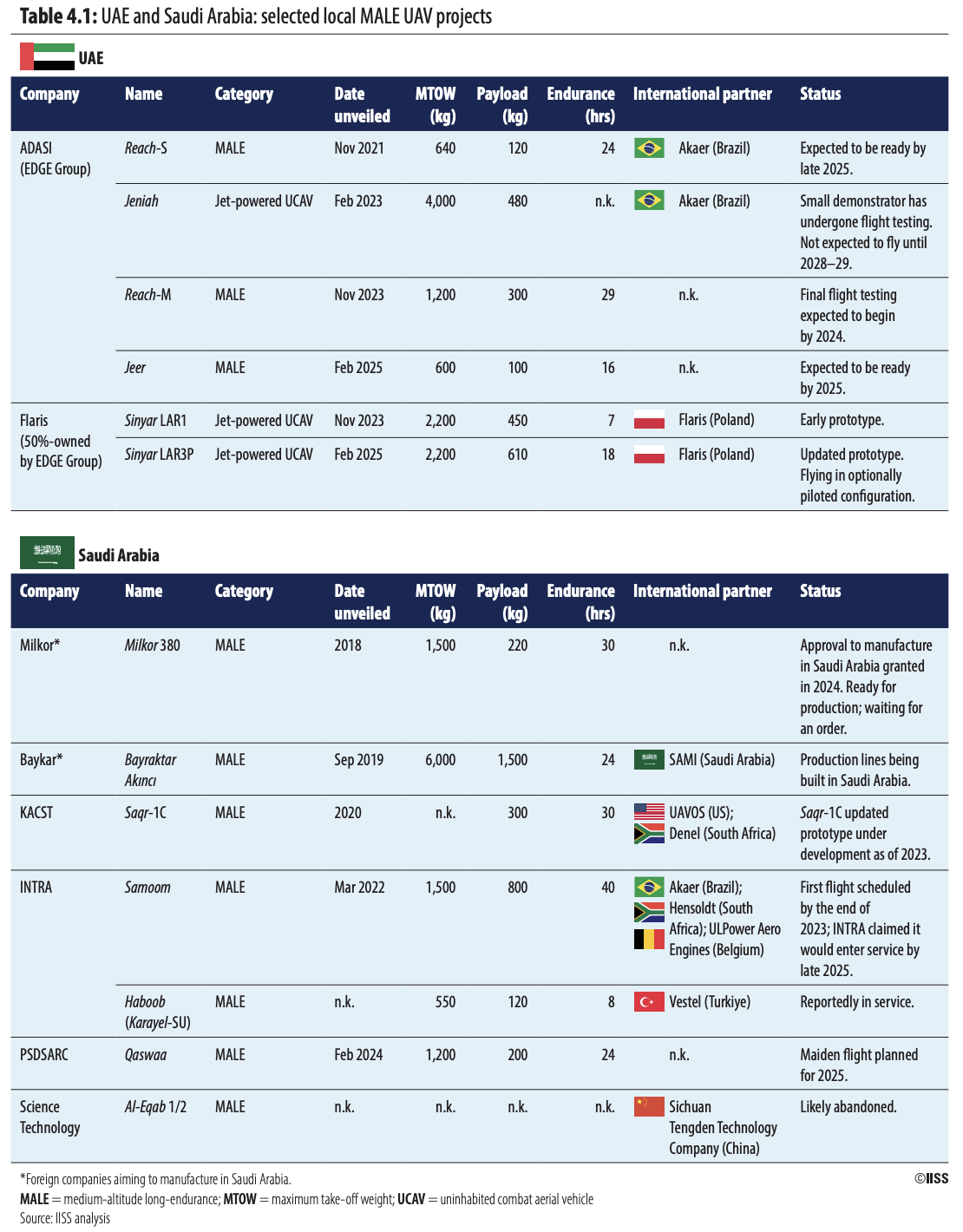
The two tables below are part of the IISS Strategic Dossier UAVs: ISR, Deterrence and War considers the key role of intelligence, surveillance and reconnaissance (ISR) UAVs in both peace and war. I worked on the Middle East chapter, and as part of it, built the below tables, which look at indigenous UAV development programmes in the UAE and Saudi Arabia, as well as selected UAV procurement. The second table might sound familiar…it’s because I reused it and expanded it from an older 2024 piece.
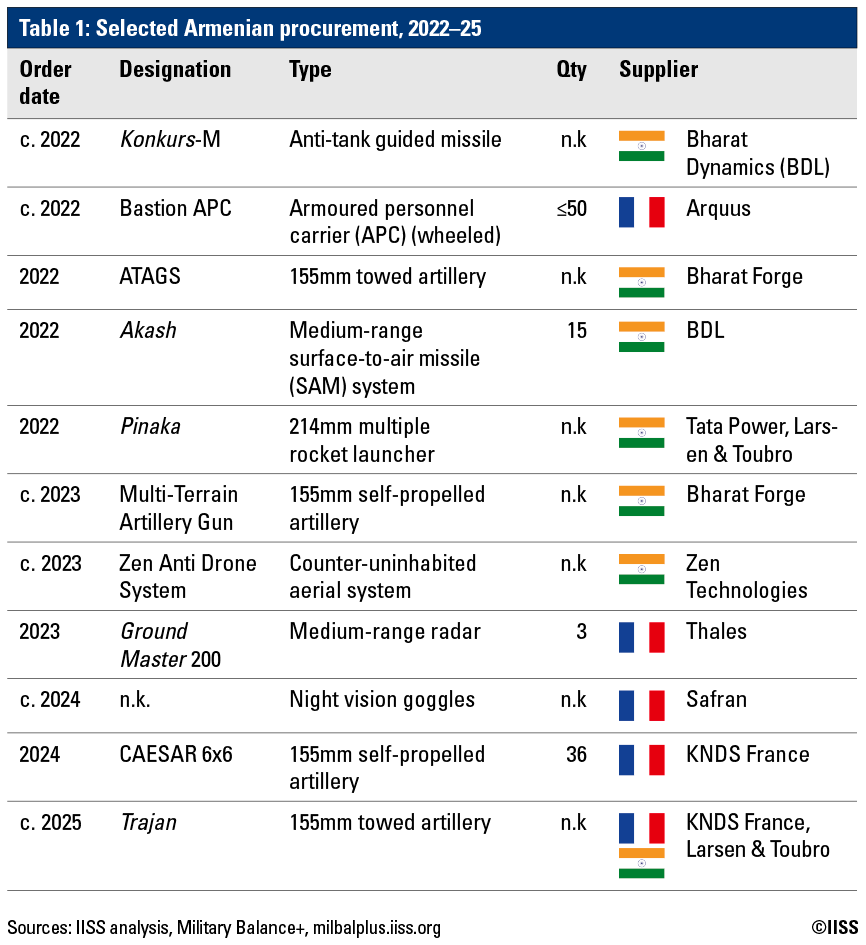
This table is from a piece I wrote examining Armenia’s rearmament after the 2020 Nagorno-Karabakh War. Specifically, I look at how it chose to reduce its reliance on Russia as a security partner, and to diversify its defence partnerships by forging new arms deals with countries including France and India to modernise the country’s military.
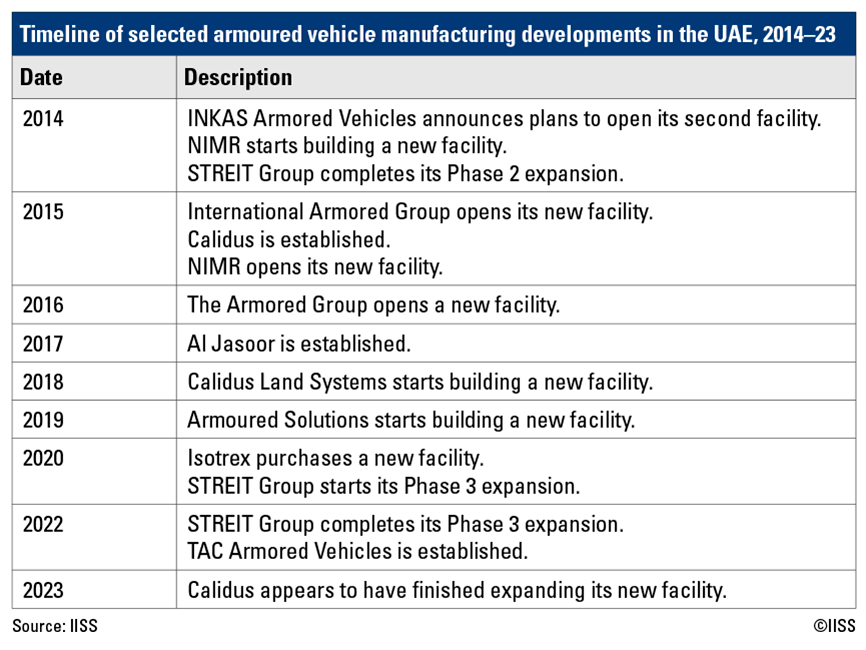
This table is from a piece I wrote tracking the expansion in armoured vehicle production in GCC states, and particularly in the UAE.
The table below is part of a chapter I wrote on the economic impacts of the Red Sea crisis, as part of a broader report examining the consequences of the Houthi attacks and maritime disruption: Navigating Troubled Waters: The Houthis’ Campaign in the Red Sea and the Gulf of Aden. The table was designed by the IISS Design team.

This table traces major Saudi investments in port infrastructure between 2022 and 2023. It is part of a piece I wrote on the trend of growing maritime connectivity in the Arabian Peninsula, where I look at the development of domestic port capacity, investments in ports abroad and attempts to create new shipping lines transiting the Gulf.

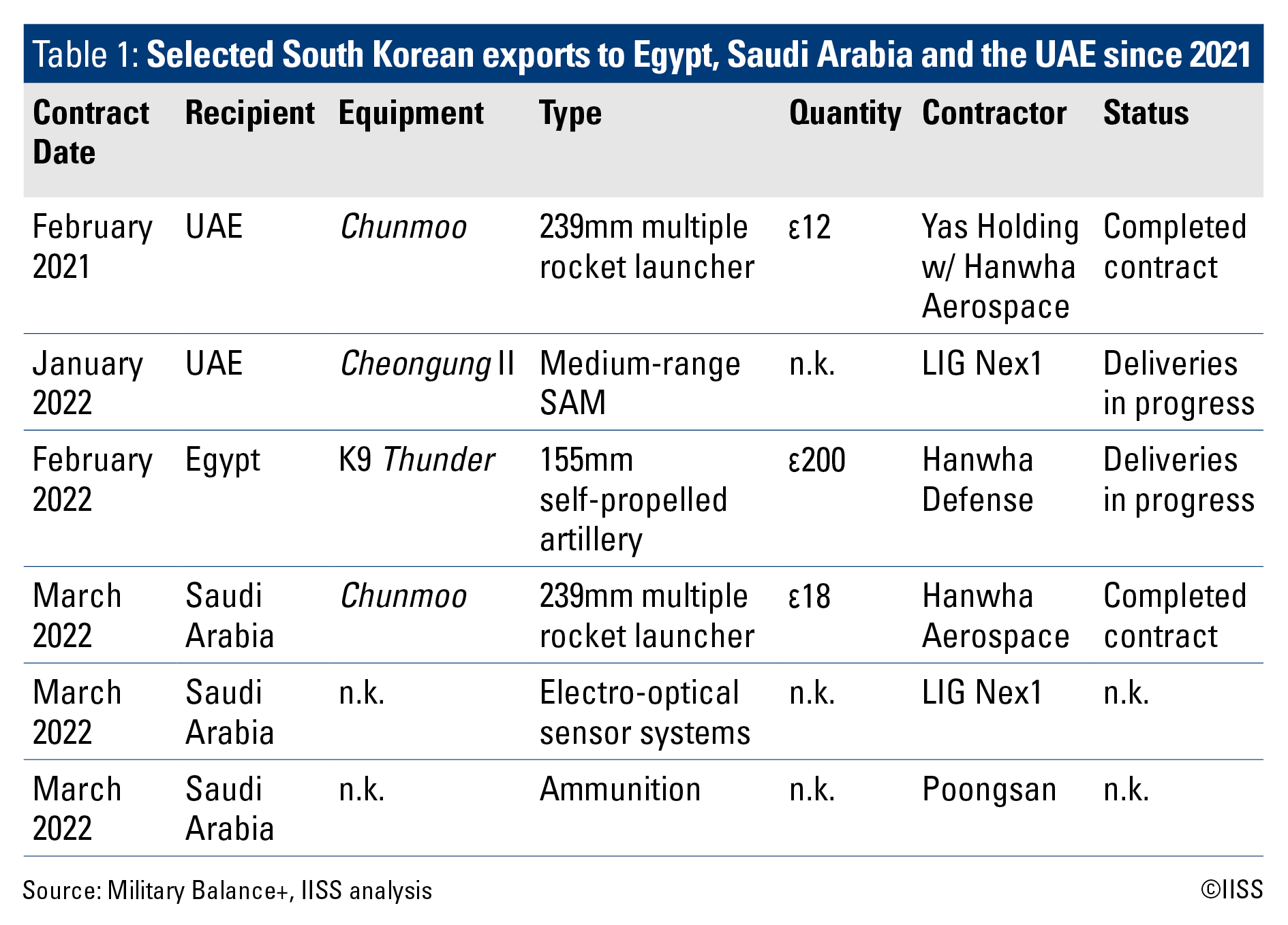
This table is part of a piece I wrote examining South Korean defence exports to the Middle East. The piece was published in November 2023, which is why the table doesn’t capture the February 2024 sale of Cheongung-II (KM-SAM Block II) medium-range surface-to-air missile systems to Saudi Arabia, worth USD3.31bn.